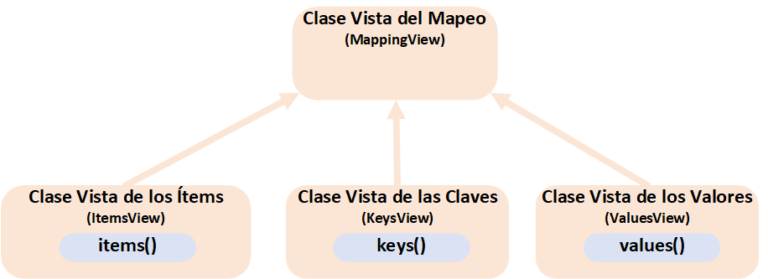
Python Dictionary Views: keys, values, and items
In Python Views, if you change something in the underlying dictionary (a value or a key), the change is reflected inside the Views. Learn how they work.
Code
Inside articles there are more settings: width, font size, series position and code.
Saved in this browser.
In Python Views, if you change something in the underlying dictionary (a value or a key), the change is reflected inside the Views. Learn how they work.
A hashable is any object that returns its "Hash Code" when asked, and that code stays the same for the whole life of the object. Learn how it works in Python.
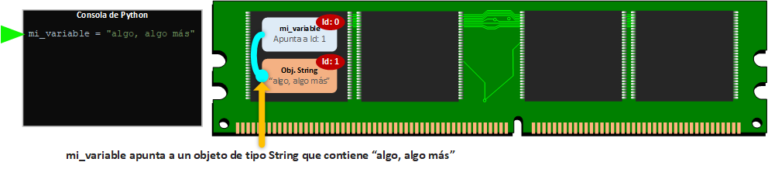
Learn whether a variable can change (mutable) or not (immutable). Mutable: List, Dict, Set. Immutable: String, Int, Float, Bool, Tuple, Range, Decimal.
Learn how to build your own Collection in Python step by step: Container, Sized and Iterable explained, plus the difference between an Iterator and an Iterable.
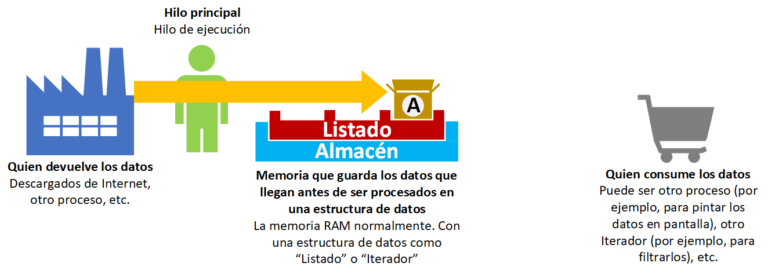
Learn how to build a data stream by balancing memory use and processing time: buffer data for a steady flow, generate data on demand, and cache results.

Learn the different ways to sort a list in Python, specifying the field, substring, attribute, etc. to sort by, with clear and practical examples.
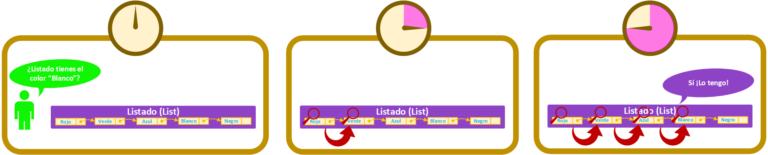
Lists in Python are a data structure that stores an ordered collection of items, which don't have to be of the same type. Learn how to use them with examples.