K-means in Python and Scikit-learn, with Examples
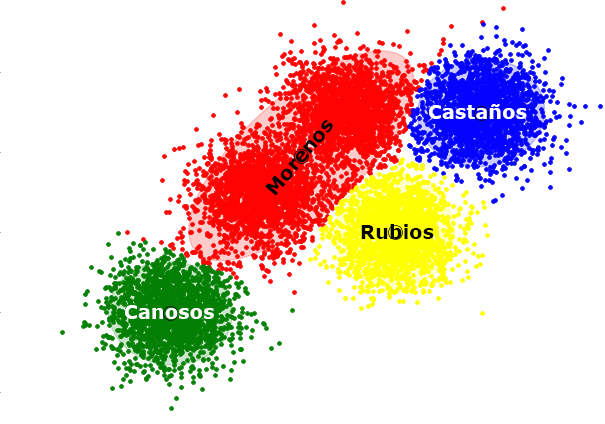
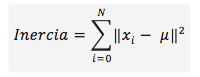
K-means is a clustering method that splits objects into K groups by minimizing inertia. Learn how it works and how to use it in Python with scikit-learn.
Code
Inside articles there are more settings: width, font size, series position and code.
Saved in this browser.
K-means is a clustering method that splits objects into K groups by minimizing inertia. Learn how it works and how to use it in Python with scikit-learn.
Clustering is the task of grouping a set of unlabeled objects into subsets of objects called Clusters. Learn how it differs from classification.
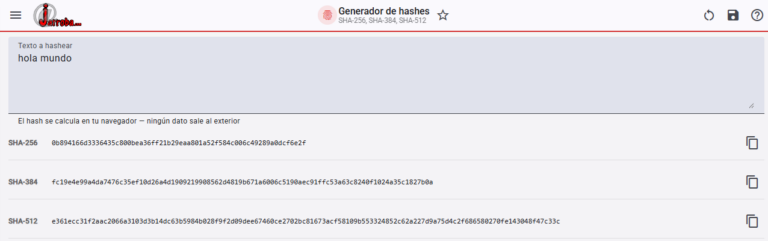
How does a hash code work? Hash tables and uses like digest, fingerprint, checksum, redundancy, parity bits, CRC and md5sum, with practical examples.
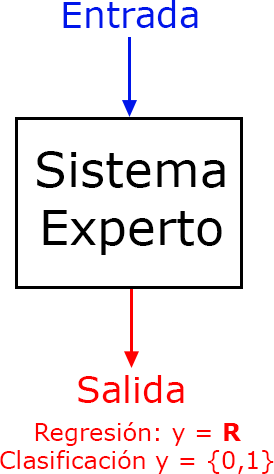
Machine Learning (ML) is a branch of Artificial Intelligence (AI) that aims to build systems able to learn on their own from a data set, without explicit programming.
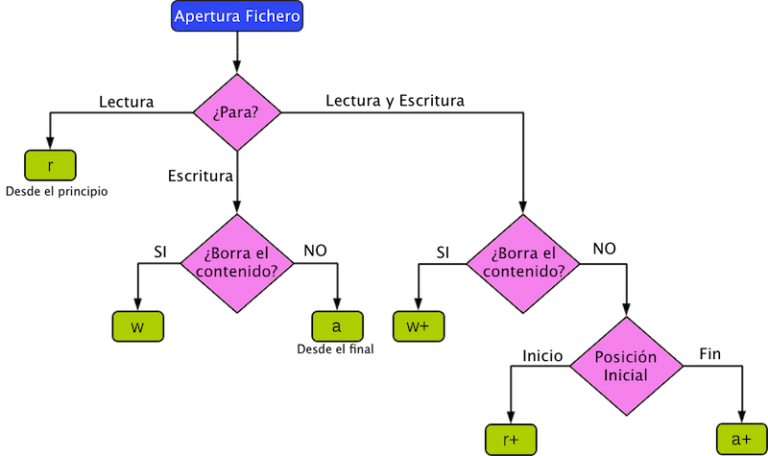
In this tutorial you'll learn how to read and write files in Python, one of the most useful and commonly used tasks when programming. Examples included.


Learn the Singleton design pattern in Java: a software engineering pattern that limits the creation of objects of a class to one, with code examples.
How the Internet works, made easy. Client-Server architecture, the client request, the parts of a URL, and HTTP Request headers explained with examples.
The "Group By" statement groups identical values in a table. Learn how it works with COUNT, SUM, MAX and MIN in this video tutorial and step-by-step examples.


Pandas is a Python library for data analysis that provides flexible data structures that let you work with your data very efficiently. Start here.
In this tutorial we show some of the operations and features the Pandas library offers for working with DataFrames, including I/O, merge and groupby.
Learn how to use pandas pivot_table in Python with practical examples: group, aggregate and analyze the MovieLens dataset like in a spreadsheet.
Learn how to use several GitHub accounts over HTTPS: configure git so each repository gets its own credentials in your keychain and avoid 403 errors.