




LAMP Step by Step on Your Own Server
Learn step by step how to build a dynamic website with the full LAMP architecture: Linux, Apache, MySQL or MariaDB, and PHP, Perl or Python.
Code
Inside articles there are more settings: width, font size, series position and code.
Saved in this browser.
Learn step by step how to build a dynamic website with the full LAMP architecture: Linux, Apache, MySQL or MariaDB, and PHP, Perl or Python.
Learn what you can do with a physical server: install Apache, build your first website, edit it with Vim or an IDE, upload files over SFTP and pick a domain.
Learn Hamming distance, Hamming weight, Hamming space and spheres, plus how error-correcting codes detect and fix errors, with Hamming(7,4) as the example.
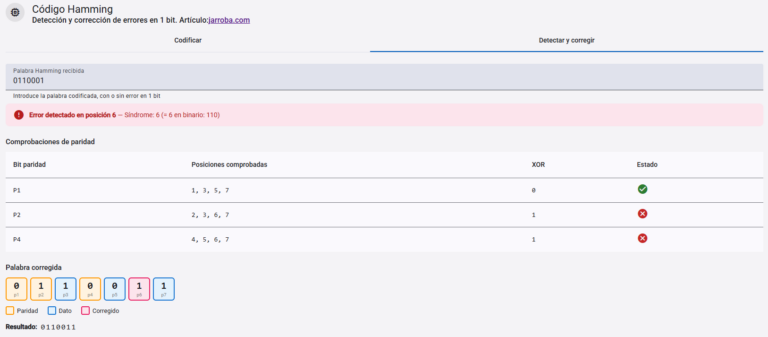
Hamming code to detect and correct errors. Step-by-step examples for fixing errors using redundancy bits and the syndrome matrix. Learn how it works.
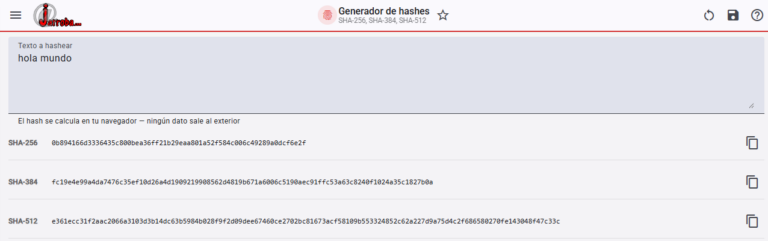
How does a hash code work? Hash tables and uses like digest, fingerprint, checksum, redundancy, parity bits, CRC and md5sum, with practical examples.
How the Internet works, made easy. Client-Server architecture, the client request, the parts of a URL, and HTTP Request headers explained with examples.
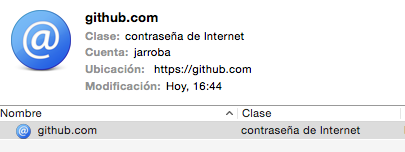
Learn how to use several GitHub accounts over HTTPS: configure git so each repository gets its own credentials in your keychain and avoid 403 errors.
Learn how to get started with Maven in Eclipse and use it. Step-by-step installation and usage. Everything you need to know about Maven.
Complete Maven tutorial. Learn everything you need to know to master Maven: install it, create projects, lifecycles, plugin goals and the pom.xml file.


Learn how to create line, pie and geo charts on your web pages with the free Google Charts API and JavaScript, with complete code examples.

Build a simple web app with the MEAN stack (MongoDB, Express, Angular, Node): a REST API, a CRUD on MongoDB and an AngularJS frontend, step by step.

Learn how to set up Apache on a Linux server at DigitalOcean with your own domain and subdomains using VirtualHosts, step by step, with a video.
Discover the MEAN stack (MongoDB, Express, AngularJS and Node.js) and learn how these four JavaScript technologies work together to build full stack web apps.